If you have ever listened to a song and noticed the voice echo slightly or sound bigger and fuller, you have already experienced reverb. I remember the first time I saw the word reverb in a music app and had no idea what it actually meant. Was it echo. Was it an effect.
Or just a technical term musicians use. Many people search this keyword because reverb appears everywhere from music production to everyday conversations. Understanding it helps you appreciate sound more clearly.
Quick Answer:
Reverb means the reflection of sound after it is produced, creating a sense of space depth and atmosphere. It is commonly used in music audio recording and sound design.
What Does Reverb Mean in Simple Words
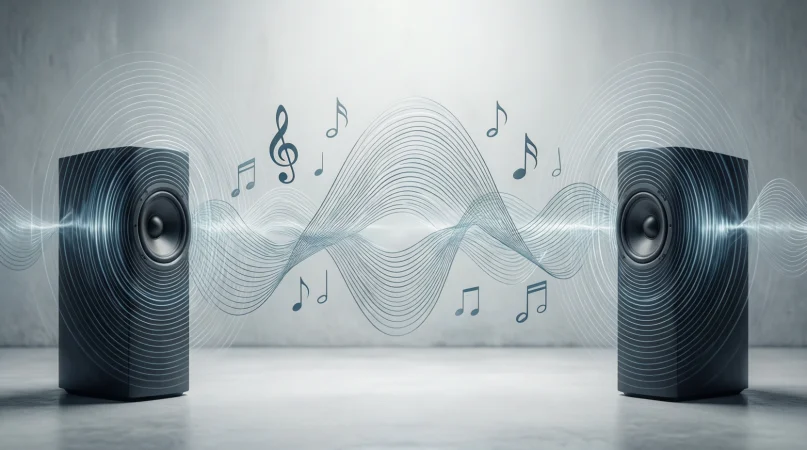
Reverb is short for reverberation. It happens when sound waves hit surfaces like walls floors or ceilings and bounce back to your ears. This creates a smooth lingering sound instead of an immediate stop.
For example when you clap your hands in an empty hall and the sound feels wide and spacious that effect is reverb.
Example sentence:
“This song sounds amazing because the reverb makes the vocals feel emotional and deep.”
In short:
Reverb means reflected sound that creates space and fullness.
Where Is Reverb Commonly Used
Reverb is widely used across different fields and platforms:
- Music production and recording studios
- Live concerts and performances
- Podcasts and voiceovers
- Movies and sound effects
- Churches halls and auditoriums
- Social media videos and reels
Tone and usage
Reverb is neutral professional and creative. It is not slang and is safe for all audiences.
Examples of Reverb in Conversation
A: why does this song sound so big
B: it has a lot of reverb on the vocals
A: the voice sounds far away
B: yeah the reverb makes it feel atmospheric
A: this room sounds empty
B: because the reverb is strong in here
A: how do producers make songs emotional
B: they use reverb to add space and mood
A: my recording sounds dry
B: add some reverb and it will feel natural
When to Use and When Not to Use Reverb
✅ When to Use
- To make vocals sound fuller
- To create emotional depth in music
- To simulate space like a hall or room
- In cinematic or ambient audio
- For live performances
❌ When Not to Use
- In clear announcements
- For podcasts that need sharp clarity
- In professional meetings
- When speech must be very precise
- In instructional recordings
Context Comparison Table
| Context | Example Phrase | Why It Works |
|---|---|---|
| Music Studio | Add reverb to the vocals | Enhances sound depth |
| Podcast | Keep audio dry | Maintains clarity |
| Live Concert | Natural reverb improves energy | Feels immersive |
| Online Class | No reverb needed | Clear communication |
Similar Terms or Related Words
| Term | Meaning | When to Use |
|---|---|---|
| Echo | Repeated sound | Large open spaces |
| Delay | Timed sound repeat | Music effects |
| Acoustics | Sound behavior in space | Room design |
| Ambience | Background sound feel | Film audio |
| Room tone | Natural sound of a space | Editing audio |
| Sound reflection | Bounced sound waves | Physics of sound |
FAQs
1. Is reverb the same as echo
No. Echo is a distinct repeat while reverb is smooth and blended.
2. Is reverb used only in music
No. It is also used in films podcasts concerts and public spaces.
3. Can too much reverb be bad
Yes. Excessive reverb can make sound unclear.
4. Is reverb a natural effect
Yes. It happens naturally in rooms and spaces.
5. What does dry sound mean
Dry sound means audio without reverb.
6. Why do singers use reverb
It adds warmth depth and emotion to vocals.
7. Is reverb safe for professional use
Yes when used correctly and moderately.
Conclusion
Reverb is an essential part of how we experience sound. It helps create space emotion and realism whether in music films or everyday environments. Once you understand what reverb means you start noticing it everywhere from concert halls to phone recordings. Used properly it enhances sound. Used poorly it can reduce clarity. Knowing when and how it works gives you better control and appreciation of audio in any form.