You may have seen the word PTSD in a news article, a movie scene, or even a social media post where someone says, “I have PTSD from that experience.” The first time I heard it, I wasn’t sure whether it was a medical condition, a feeling, or just internet slang.
Many people come across this term without fully understanding what it actually means. If you are here, you likely want a clear and simple explanation without complicated medical language.
Quick Answer:
PTSD stands for Post Traumatic Stress Disorder. It is a mental health condition that can develop after someone experiences or witnesses a traumatic event.
What Does PTSD Mean?
PTSD is short for Post Traumatic Stress Disorder. It is a condition where a person continues to feel fear, stress, or emotional pain long after a traumatic experience has ended. Trauma can include serious accidents, violence, abuse, war, natural disasters, or any event that feels deeply frightening or life threatening.
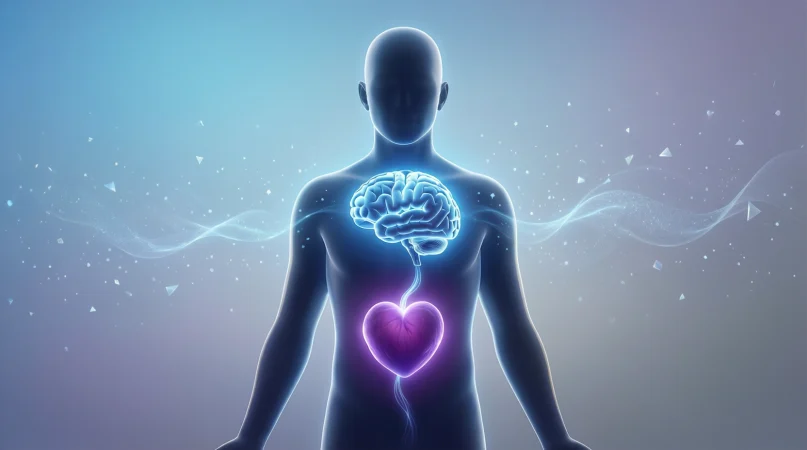
People with PTSD may experience flashbacks, nightmares, anxiety, emotional numbness, or difficulty sleeping. It is not a sign of weakness. PTSD is a real psychological response that affects the brain and nervous system.
Example:
“He was diagnosed with PTSD after surviving a serious accident.”
In short:
PTSD equals Post Traumatic Stress Disorder equals long term stress after trauma
Where Is PTSD Commonly Used?
The term PTSD is commonly used in both professional and everyday settings:
- Medical and mental health discussions
- News reports and documentaries
- Movies and TV shows
- Social media awareness posts
- Therapy and counseling conversations
- Educational and academic content
Tone and usage:
- Formal in medical settings
- Serious and respectful in conversation
- Not slang or casual humor
- Appropriate for public discussion
Examples of PTSD in Conversation
A: “He still gets anxious after what happened.”
B: “Yeah, the doctor said it’s PTSD.”
A: “That experience really changed her.”
B: “Trauma like that can cause PTSD.”
A: “Why does loud noise scare him so much?”
B: “It’s related to his PTSD.”
A: “People joke about PTSD too casually.”
B: “True, it’s actually a serious condition.”
A: “Therapy helped her a lot.”
B: “PTSD treatment can really improve life.”
When to Use and When Not to Use PTSD
When to Use
- Discussing mental health seriously
- Talking about trauma or recovery
- Educational or awareness content
- Medical or psychological contexts
- Supportive conversations
When Not to Use
- As a joke
- To exaggerate small problems
- In a mocking or dismissive way
- Without understanding the meaning
- To describe mild stress
Context Comparison Table
| Context | Example Phrase | Why It Works |
|---|---|---|
| Medical Talk | “PTSD requires professional treatment.” | Accurate and respectful |
| Casual Chat | “He is dealing with PTSD after the accident.” | Informative and appropriate |
| Joke | “That exam gave me PTSD.” | Misuses a serious condition |
Similar Terms or Related Words
| Term | Meaning | When to Use |
|---|---|---|
| Trauma | Emotional shock from distressing events | General discussion |
| Anxiety Disorder | Ongoing excessive fear or worry | Medical context |
| Depression | Persistent sadness and low mood | Mental health topics |
| Stress Disorder | Psychological response to stress | Clinical use |
| Flashbacks | Reliving traumatic events | PTSD symptoms |
| Therapy | Professional mental health treatment | Recovery discussions |
FAQs
1. What does PTSD stand for?
PTSD stands for Post Traumatic Stress Disorder.
2. Is PTSD a real medical condition?
Yes. It is officially recognized by mental health professionals worldwide.
3. Can anyone develop PTSD?
Yes. Anyone who experiences or witnesses trauma can develop PTSD.
4. Is PTSD permanent?
No. With proper treatment and support, many people recover or manage symptoms well.
5. Is PTSD only related to war veterans?
No. While common among veterans, PTSD can affect civilians too.
6. Can PTSD be treated?
Yes. Therapy, counseling, and sometimes medication can help.
7. Is it okay to joke about PTSD?
No. It should always be discussed with care and respect.
Conclusion
PTSD is not just a word people use online. It is a serious mental health condition that affects millions of people worldwide. Understanding what PTSD means helps reduce stigma and encourages empathy toward those who struggle with trauma.
Whether discussed in medical settings, education, or everyday conversation, the term should always be used thoughtfully and accurately. Knowing the meaning is the first step toward awareness and support.