Iron is one of those nutrients we hear about often, yet many people are unsure why it actually matters. I remember first learning about iron during a routine health checkup and being surprised at how closely it connects to energy, focus, and overall wellbeing.
People searching this topic usually want reliable and clear information they can trust. Whether you are managing fatigue, improving nutrition, or simply learning how the body works, understanding iron is essential.
Quick Answer:
Iron is a vital mineral that helps the body carry oxygen, produce energy, support brain function, and maintain a healthy immune system. Without enough iron, the body cannot function at its best.
What Does Iron Do for the Body?
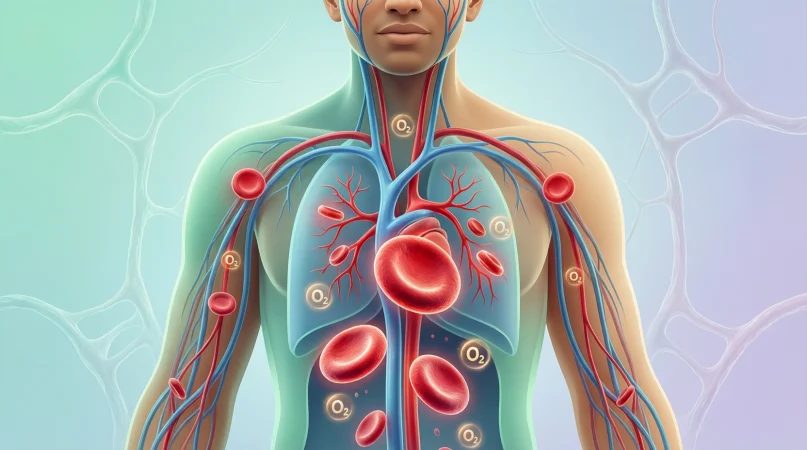
Iron plays a central role in keeping the body energized and balanced. It is a key component of hemoglobin, a protein in red blood cells that transports oxygen from the lungs to the rest of the body.
Iron helps the body by:
- Carrying oxygen to muscles and organs
- Supporting energy production
- Improving focus and brain performance
- Strengthening the immune system
- Supporting healthy growth and development
Example:
“When my iron levels improved, I stopped feeling tired all the time.”
In short:
Iron supports oxygen flow, energy levels, and overall body function
Where Is Iron Most Important in the Body?
Iron benefits nearly every system in the body, especially:
- Blood and circulation
- Muscles and physical strength
- Brain and cognitive function
- Immune response
- Hormonal balance
- Pregnancy and growth stages
Iron is especially important for children, menstruating individuals, pregnant people, older adults, and anyone following plant based diets.
Examples of Iron in Everyday Conversations
A: “Why do I feel tired even after sleeping?”
B: “Low iron can cause that. You should get it checked.”
A: “Doctor said I need more iron.”
B: “That explains the low energy.”
A: “Why is iron important during pregnancy?”
B: “It helps deliver oxygen to both parent and baby.”
A: “I started eating iron rich foods.”
B: “Nice. That really helps with focus and strength.”
A: “Why do athletes care about iron?”
B: “It supports oxygen delivery during workouts.”
When Iron Helps and When to Be Careful
When Iron Helps
Iron is especially helpful when:
- Energy levels feel low
- You experience frequent fatigue
- Supporting immune health
- During growth or pregnancy
- Recovering from illness
- Following a nutrient focused diet
When to Be Careful
Iron intake should be monitored when:
- Taking supplements without testing
- Iron levels are already high
- There is a medical condition affecting iron storage
- Supplements are taken long term without guidance
Natural Sources of Iron
Iron comes from both animal and plant based foods.
Animal based sources include:
- Red meat
- Poultry
- Fish
Plant based sources include:
- Lentils
- Spinach
- Beans
- Tofu
- Pumpkin seeds
Pairing plant based iron with vitamin C rich foods helps absorption.
FAQs
1. What does iron do for the body exactly?
Iron helps carry oxygen, supports energy production, and keeps organs functioning properly.
2. What happens if iron is low?
Low iron can cause fatigue, weakness, dizziness, and difficulty concentrating.
3. Can iron improve energy levels?
Yes. Proper iron levels support oxygen delivery and reduce tiredness.
4. Is iron important for brain health?
Yes. Iron supports memory, focus, and cognitive development.
5. Who needs iron the most?
Children, pregnant people, menstruating individuals, and athletes often need more iron.
6. Can you get enough iron from food alone?
Many people can, but some may need supplements based on medical advice.
7. Is too much iron harmful?
Yes. Excess iron can damage organs, so balance is important.
Conclusion
Iron may be a small mineral, but its impact on the body is enormous. From oxygen transport to energy production and immune defense, iron supports many essential processes that keep us healthy and active. Understanding what iron does for the body helps you make informed nutrition choices and recognize when something may be off.
A balanced intake through food and professional guidance ensures iron supports your health safely and effectively in 2026 and beyond.