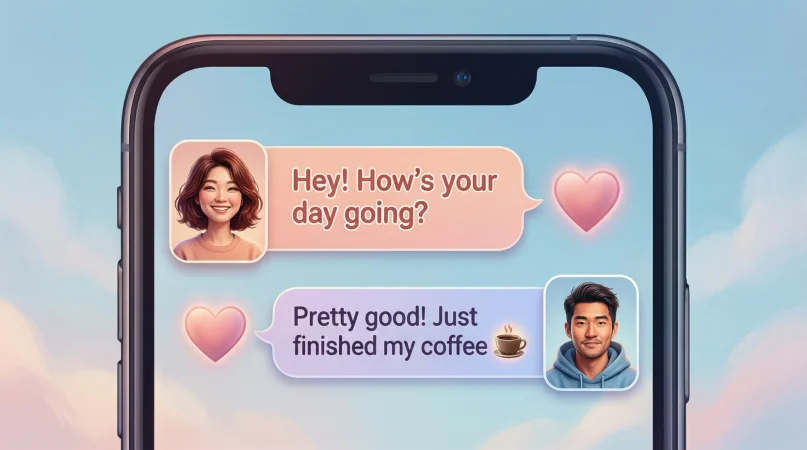
If you have ever been texting someone and suddenly saw the message “Are we just FWB?” you probably paused for a second. Many people see this term for the first time in dating apps, casual chats, or social media conversations and feel unsure about what it really means.
I remember hearing it early on and thinking it sounded friendly but slightly confusing at the same time. That confusion is completely normal.
Quick Answer:
FWB means Friends With Benefits. It describes a relationship where two people are friends and also have a physical or intimate connection without a serious romantic commitment. It is casual, mutual, and based on clear understanding between both people.
What Does FWB Mean in Text?
In texting and online conversations, FWB stands for Friends With Benefits. It refers to a situation where two people enjoy each other’s company and physical closeness while choosing not to label the relationship as dating or serious.
This term is commonly used to describe:
- Casual relationships
- No long term commitment
- Mutual agreement and honesty
- Emotional boundaries
- Respect between both people
Example:
“I like you, but I think FWB works better for us right now.”
In short:
FWB equals friendship plus physical intimacy without romantic expectations
Where Is FWB Commonly Used?
FWB is widely used in modern communication, especially where relationship labels are discussed openly.
You will often see it in:
- Text messages
- Dating apps
- Snapchat and Instagram DMs
- Online dating profiles
- Casual relationship discussions
- Social media captions or comments
Tone and usage:
- Casual and direct
- Relationship focused
- Common in modern dating culture
- Not formal
- Not professional
Examples of FWB in Real Conversations
A: “So what are we exactly?”
B: “Honestly, more like FWB right now.”
A: “Are you seeing anyone else?”
B: “No, just an FWB situation.”
A: “You want something serious?”
B: “Not really, I am okay with FWB.”
A: “Do feelings get involved?”
B: “Only if boundaries are not clear.”
A: “Can FWB actually work?”
B: “It can, if both people communicate.”
When to Use and When Not to Use FWB
✅ When to Use
- Talking about relationship boundaries
- Clarifying expectations
- Casual dating conversations
- Honest communication between adults
- Mutual understanding situations
❌ When Not to Use
- Professional or work conversations
- Talking to family members
- Formal writing or emails
- With someone unfamiliar with dating slang
- When intentions are not clearly discussed
Similar Relationship Slang or Alternatives
| Term | Meaning | When to Use |
|---|---|---|
| Situationship | Undefined romantic connection | Early dating stages |
| Casual dating | Dating without commitment | Exploring connections |
| Hookup | Physical relationship only | Very casual context |
| Talking stage | Getting to know each other | Before defining labels |
| Open relationship | Dating with agreed freedom | With clear communication |
| No strings attached | No emotional commitment | Honest casual relationships |
Conclusion
FWB is one of the most commonly used relationship terms in modern texting and dating culture. While it may sound simple, it represents an agreement that requires honesty, communication, and mutual respect. Understanding what FWB means helps avoid confusion and emotional misunderstandings. Whether someone chooses this type of relationship or not, clarity and consent are essential.
Knowing the meaning allows you to recognize intentions clearly and decide what works best for your emotional and personal boundaries.
FAQs
1. What does FWB mean in texting?
FWB means Friends With Benefits, a casual relationship without romantic commitment.
2. Is FWB the same as dating?
No. Dating usually involves emotional involvement and future intentions, while FWB does not.
3. Can FWB turn into a serious relationship?
Yes, but only if both people develop feelings and communicate openly.
4. Is FWB healthy?
It can be healthy if both people agree on boundaries and communicate honestly.
5. Does FWB involve emotions?
Ideally no, but emotions can develop if expectations are unclear.
6. Should I agree to an FWB situation?
Only if you are comfortable with the arrangement and understand the terms clearly.
7. Is FWB used by all age groups?
It is most common among young adults but understood across many age groups today.